Address
12 Thetford Road Essex
RM9 6AP United Kingdom
Work Hours
Monday to Friday: 9AM - 5PM
Address
12 Thetford Road Essex
RM9 6AP United Kingdom
Work Hours
Monday to Friday: 9AM - 5PM


How to develop a structured approach for monitoring and supporting academic excellence in teaching. Evaluating observation and giving effective feedback. Understanding how to conduct performance appraisals and one to one sessions
Understanding how people and teams are affected by organizational transition. The Change curve. Principles that underpin successful change. Change management activities that guarantees staff buy-in. Communicating change and implementing change
Understanding the difference between management and coaching. Developing coaching skills to impact the continuous development of your staff. Exploring the golden rules of coaching. Increasing effectiveness and developing a bond with team members through coaching. How to use the GROW model in coaching
Outlining the role of leadership and management. Transitioning from management to leadership. Different leadership approaches. Levels of leadership influence. Developing a capacity building culture
Exploring the determinants of staff productivity. Understanding one main factor that can boost staff productivity and effectiveness. Delving into the underlining reason behind the success of top companies. Skills necessary for staff motivation. Understanding the effect of perception in day to day management

A proactive behaviour management approach is not a quick fix or a microwave approach. It is a long term investment guaranteed to offer you excellent returns because it never fails. But, did you read the second line I said long term investment. So it is all about investments
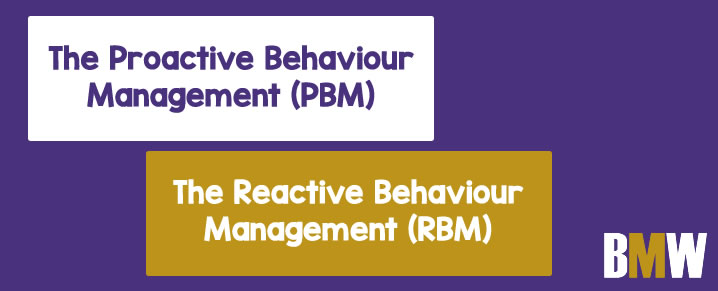
There are 2 types of behaviour management approaches a parent can adopt. The Proactive Behaviour Management (PBM) or the Reactive Behaviour Management (RBM). This means you can use a planned approach or an unplanned approach in managing your children’s behaviour.
Our brain can be divided into 3 parts: The Limbic brain which is the seat of our emotions, the reptilian brain which controls our basic functioning and our rational brain which is for planning and strategy. Depending on which part of your brain that you train this will determine your response to life situations