Differentiation
Every classroom is made up of unique learners, each with their own strengths, needs, backgrounds, and learning...




Time has changed
Global Standards | Local Excellence

Every classroom is made up of unique learners, each with their own strengths, needs, backgrounds, and learning...
In today’s rapidly changing world, organizations cannot thrive on compliance and routine alone.
This training is designed to help you, as an educator, understand that the lens through which students think about their abilities...
Whether you're a head of department, middle manager, or a senior leader striving to contribute more meaningfully...
An effective teacher is not only a subject expert but also a guide, a motivator, and a manager of the classroom environment
Professionalism and ethics are the backbone of effective teaching...
Early childhood education is considered critical because it lays the foundation for a child's future learning and development.
This course introduces educators to the principles, neuroscience, and classroom applications of multisensory instruction.
These are the foundations of critical thinking, a core competency for success in academics, careers, and life.
Artificial Intelligence is rapidly transforming many aspects of our daily lives from voice assistants and translation apps...
Time has changed











Time has changed





Time has changed
Both plans include continuous updates with new courses added every term.
Time has changed
Time has changed
Every classroom is made up of unique learners, each with their own strengths, needs, backgrounds, and learning preferences. As educators, our role is not simply to deliver information in one fixed way, but to ensure that every student has equitable access to learning. This is where differentiation becomes essential.
Differentiation is the practice of adapting instruction so that all students regardless of their readiness levels, learning styles, or interests can engage meaningfully with the lesson. It is not about creating entirely separate lessons for every learner, but about applying flexible strategies, providing multiple pathways, and creating an enabling environment where every child feels supported to succeed.
In this training, you will be introduced to the principles and practices of differentiation, exploring how it can transform teaching and learning. You will learn not only what differentiation is, but also why it is necessary in diverse classrooms and how it benefits both student engagement and achievement.

Time has changed
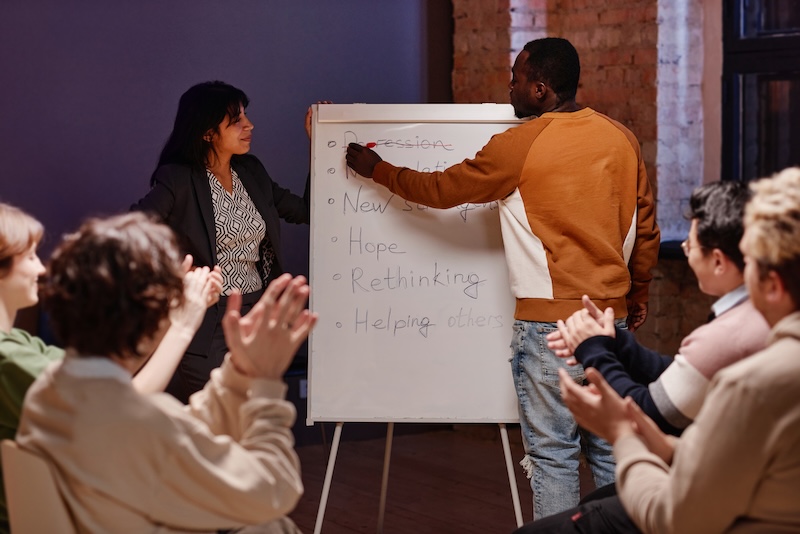
Whether you're a head of department, middle manager, or a senior leader striving to contribute more meaningfully, this training is designed to equip you with the tools and insights needed to foster collaboration, drive performance, and create a positive team culture.
In today’s fast-paced and interconnected world, the ability to work effectively as a team is no longer optional it’s essential. High-performing teams don’t just happen; they are intentionally built through trust, communication, shared goals, and mutual accountability.
By the end of the training, you’ll have practical tools you can immediately apply to enhance your team’s effectiveness and overall impact.
Time has changed
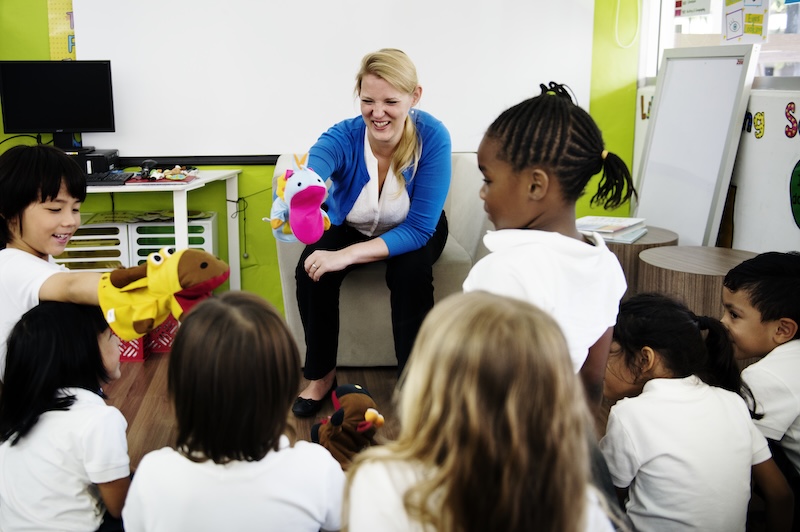
In today’s rapidly changing world, students need more than the ability to recall facts they need the skills to analyse information, solve problems, make sound judgments, and create new ideas. These are the foundations of critical thinking, a core competency for success in academics, careers, and life.
Teachers play a central role in cultivating critical thinkers. By intentionally designing lessons that go beyond memorization and encourage questioning, reasoning, and creativity, teachers can prepare students to become lifelong learners and problem-solvers.
This training introduces educators to critical thinking as a skill and mindset and equips them with a practical framework to nurture higher-order thinking in their classrooms. Through reflection, examples, and application, teachers will learn how to move students from basic recall to deep, critical engagement with ideas.

Time has changed
Welcome to the Growth Mindset Training for Teachers. This training is designed to help you, as an educator, understand that the lens through which students think about their abilities can dramatically influence their learning, motivation, and long-term success.
The idea of Growth Mindset was developed by psychologist Dr. Carol Dweck, who discovered that students who believe their abilities can be developed through effort, strategies, and persistence achieve more than those who believe intelligence is fixed.
In classrooms today, where students often face challenges such as limited resources, exam pressure, and societal expectations, cultivating a Growth Mindset is more important than ever. By guiding our students to see mistakes as opportunities, challenges as learning experiences, and effort as the path to mastery, we empower them to thrive both inside and outside the classroom.
Time has changed
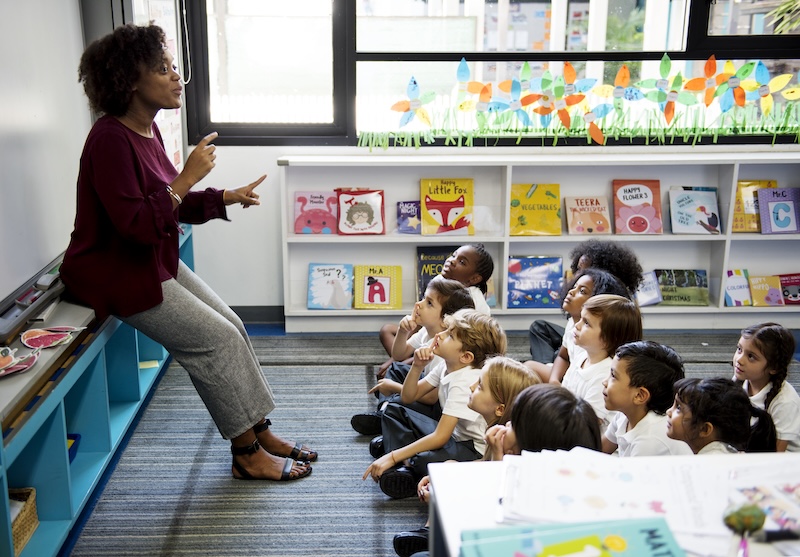
Welcome to this training on Classroom Management: Creating Positive Learning Environments.
Every teacher knows that while teaching can be deeply rewarding, it also comes with the challenge of managing a classroom filled with diverse personalities, learning styles, and behaviors. An effective teacher is not only a subject expert but also a guide, a motivator, and a manager of the classroom environment.
Classroom management is not about control it is about creating conditions where every child can thrive academically, socially, and emotionally. When teachers understand their learners, anticipate potential challenges, and implement proactive strategies, the classroom becomes a space where respect, cooperation, and engagement naturally flourish.
Time has changed
Early Childhood Education (ECE) refers to the period of learning that takes place during the early years of a child's life, typically from birth to the age of five. This phase of education is crucial for a child's development.
Early childhood education is considered critical because it lays the foundation for a child's future learning and development. During these formative years, children acquire essential skills, knowledge, and social behaviours that shape their future educational and life outcomes.
The primary objectives of early childhood education include promoting cognitive development, fostering social and emotional skills, enhancing physical development, and preparing children for formal schooling.
This training is divided into 4 lessons which explores Early Childhood Education with an introduction the British Framework which is the Early Years Foundation Stage EYFS
Time has changed
Professionalism and ethics are the backbone of effective teaching. As teachers, our behaviour, values, and decisions directly shape students’ learning and the wider society.
Teaching is not just a job it is a personal commitment to shaping future generations. Good teachers model the very traits they hope to nurture in their students: clear communication, emotional awareness, adaptability, and integrity. These qualities foster positive classroom culture, encourage exploration, and help every learner feel seen and supported.
This training will help teachers:

Time has changed
Welcome to this training on Transformational Leadership and Coaching Approaches for Staff Growth.
In today’s rapidly changing world, organizations cannot thrive on compliance and routine alone. Leaders must go beyond managing tasks—they must inspire, empower, and transform their teams. This training is designed to help you recalibrate your leadership approach, moving from reactive problem-solving to proactive culture-building.
Through exploring the principles of transformational leadership, the situational leadership model, and the coaching approach, you will discover practical strategies to cultivate motivated, competent, and confident staff. By the end of this program, you will not only understand how to lead with vision and integrity but also how to build systems that nurture growth, embed culture, and create sustainable impact in your organization
Time has changed
Welcome to this professional development training on Using Artificial Intelligence (AI) to Support Teaching and Learning.
Artificial Intelligence is rapidly transforming many aspects of our daily lives from voice assistants and translation apps to online shopping recommendations and medical diagnostics. Education is no exception. Around the world, schools and universities are beginning to harness AI tools to enhance teaching, improve learning outcomes, and make classrooms more inclusive and efficient.
For teachers, this presents both exciting opportunities and important challenges. On one hand, AI can save valuable time, provide personalized learning experiences for students, and offer new ways to engage diverse learners. On the other, it raises questions about accuracy, fairness, data privacy, over-reliance, and the evolving role of educators.

Time has changed
This course introduces educators to the principles, neuroscience, and classroom applications of multisensory instruction (MSI). Through this training teachers will understand what MSI is, why it matters, how it works in the brain, and how it can be implemented effectively for diverse learners.